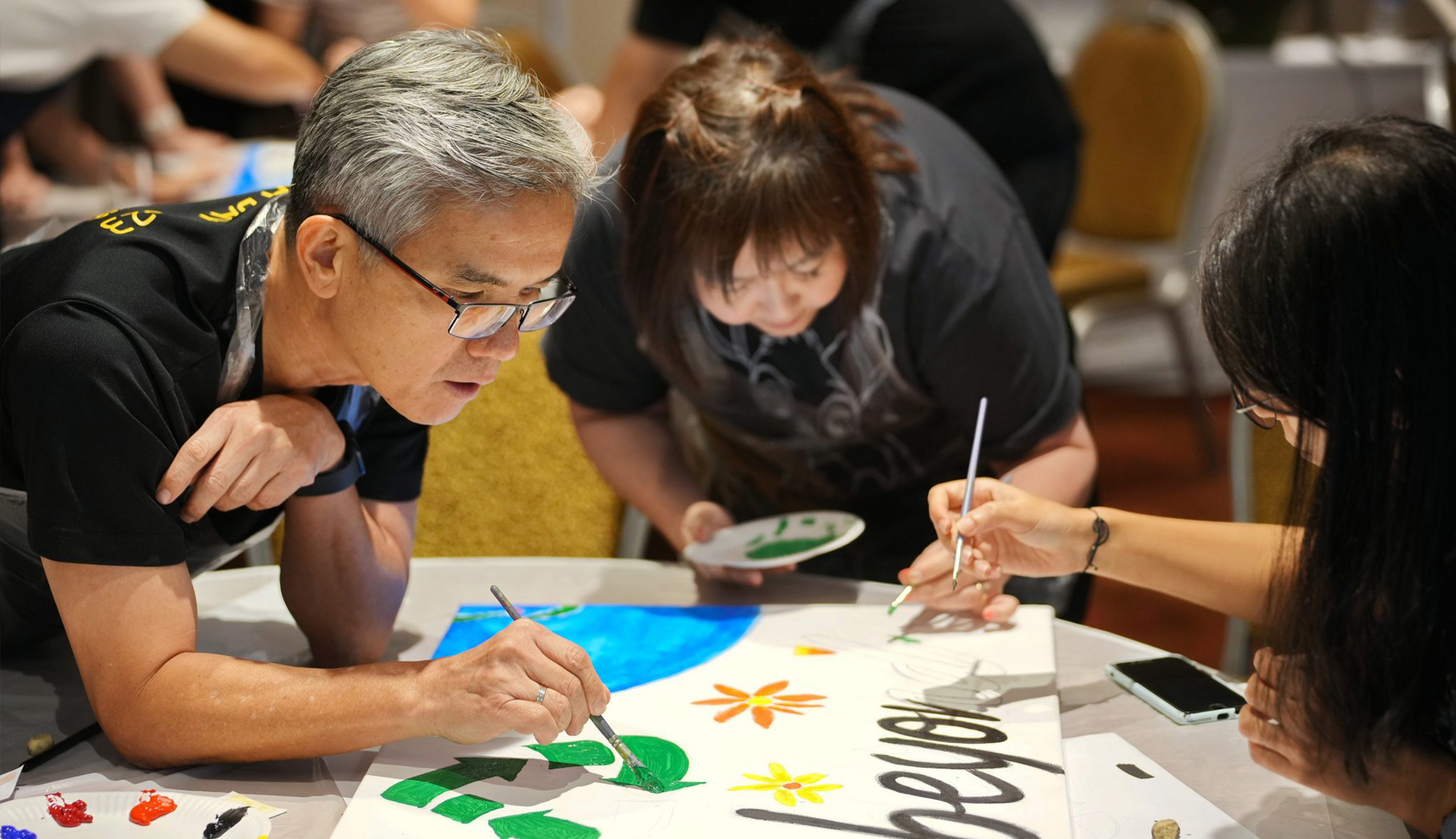
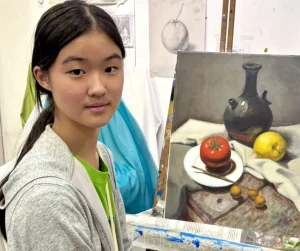
Visual Arts Centre provides professional art courses suitable for art learners of all ages and experiences. Art courses include Drawing and Sketching, Acrylic Painting, Watercolour Painting, Chinese Ink Painting, Creative Kids Art Immersion Course, Private Art Classes and Portfolio Preparation Art Course, Nude Life Drawing, Portrait Drawing course and others.
Acrylic Painting on Canvas Team Bonding Art Jamming Singapore Visual Arts Centre
Acrylic Painting on Canvas Team Bonding Art Jamming Singapore Visual Arts Centre
Batik Handkerchief Painting Team Bonding Art Jamming Singapore Visual Arts Centre
Batik Handkerchief Painting Team Bonding Art Jamming Singapore Visual Arts Centre
Chinese Ink Painting and Calligraphy Team Bonding Art Jamming Singapore Visual Arts Centre
Chinese Ink Painting and Calligraphy Team Bonding Art Jamming Singapore Visual Arts Centre
Graffiti Spray Painting on Canvas Team Bonding Art Jamming Singapore Visual Arts Centre
Graffiti Spray Painting on Canvas Team Bonding Art Jamming Singapore Visual Arts Centre
Outdoor Urban Landscape Sketching Team Bonding Art Jamming Singapore Visual Arts Centre.
Outdoor Urban Landscape Sketching Team Bonding Art Jamming Singapore Visual Arts Centre.
Acrylic Painting on Canvas Team Bonding Art Jamming Singapore Visual Arts Centre
Batik Handkerchief Painting Team Bonding Art Jamming Singapore Visual Arts Centre
Chinese Ink Painting and Calligraphy Team Bonding Art Jamming Singapore Visual Arts Centre
Graffiti Spray Painting on Canvas Team Bonding Art Jamming Singapore Visual Arts Centre
Outdoor Urban Landscape Sketching Team Bonding Art Jamming Singapore Visual Arts Centre.
Acrylic Painting on Canvas Team Bonding Art Jamming Singapore Visual Arts Centre
Batik Handkerchief Painting Team Bonding Art Jamming Singapore Visual Arts Centre
Chinese Ink Painting and Calligraphy Team Bonding Art Jamming Singapore Visual Arts Centre
Graffiti Spray Painting on Canvas Team Bonding Art Jamming Singapore Visual Arts Centre
Outdoor Urban Landscape Sketching Team Bonding Art Jamming Singapore Visual Arts Centre.
Workshops & Events
Visual Arts Centre offers regular themed art workshops as well as our most popular Team Bonding Art Jamming, Family Day Bonding Art Workshops and various customised creative workshops and art events throughout the year.
The Exhibition Gallery is a modern glasshouse exhibition gallery space for hire of 190square metres at Dhoby Ghaut Green, centrally located in Singapore.
The MacPherson Gallery and Studio is a 140 square metres brightly lit and fully equipped space for hire for meetings, workshops and various functions and gatherings.
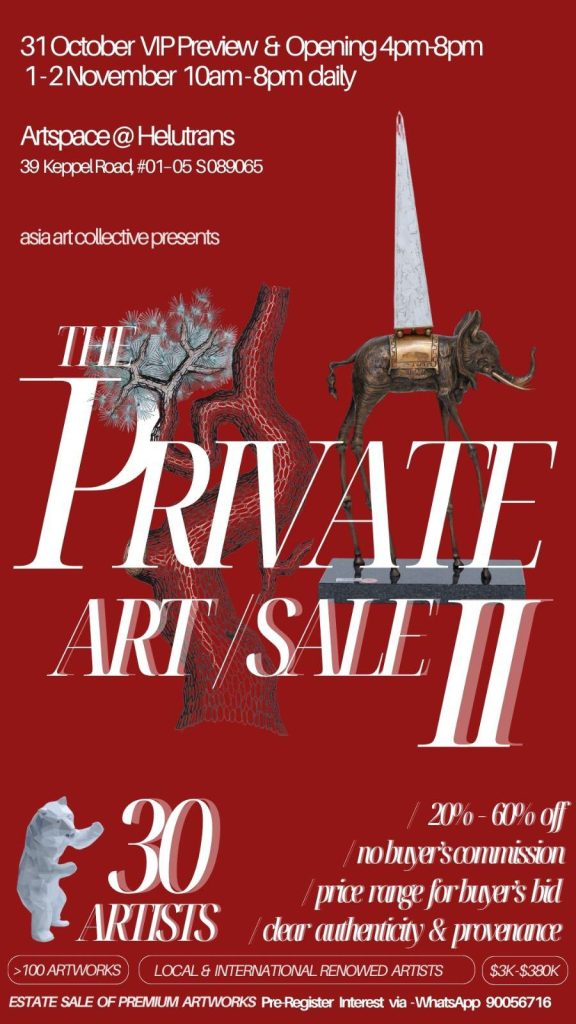
The Private Art Sale II is an exhibition and sale featuring 100 artworks by 30 renowned local and international artists, including a wide variety of subjects and art mediums – from original drawings, watercolour, chinese ink, acrylic and oil painting, and multi-media artworks and sculptures.
The art exhibition and sale provides a rare opportunity for art lovers and collectors to acquire artworks at 20% to 60% off current retail prices. Visit the exhibition from 31 October, 4pm-8pm, and 1-2 November from 10am-8pm, at Artspace @ Helutrans, to admire premium artworks, and enjoy picking up fine art at good prices!
Do contact us below to receive an art catalog, and to RSVP to visit The Private Art Sale II!
[The selection of artworks has been curated and picked from estate collections and esteemed private collections. Do enquire with us on any information you may require.]
Contact Us Whatsapp/Call: 90056716 Email: [email protected] Address: 10 Penang Road 01-02 Dhoby Ghaut Green Singapore 238469
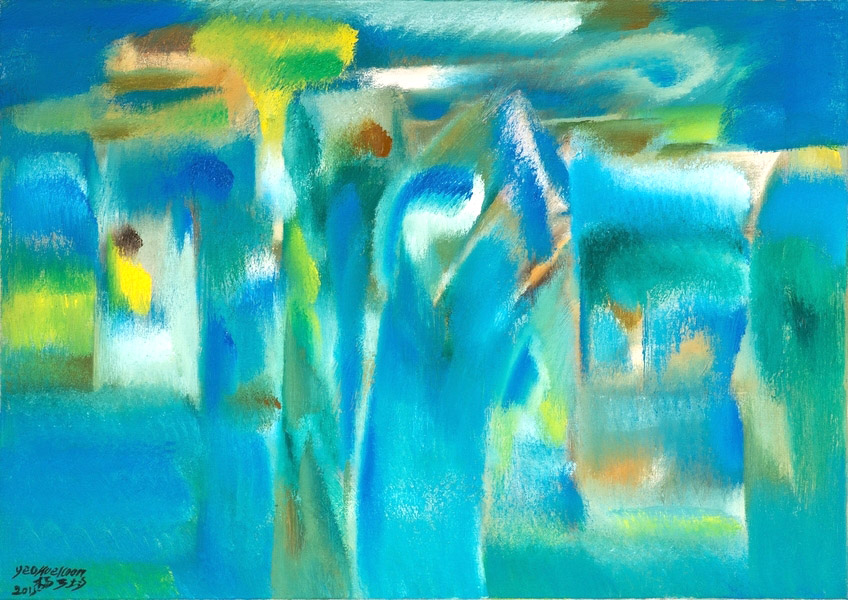
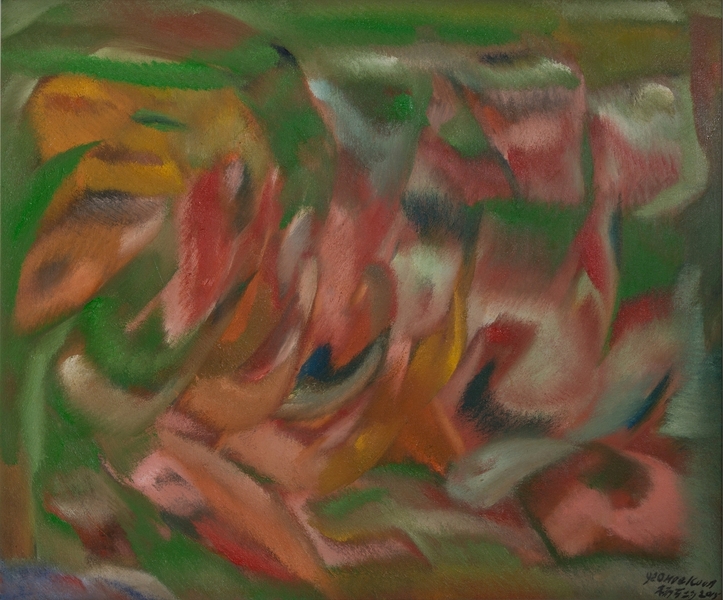
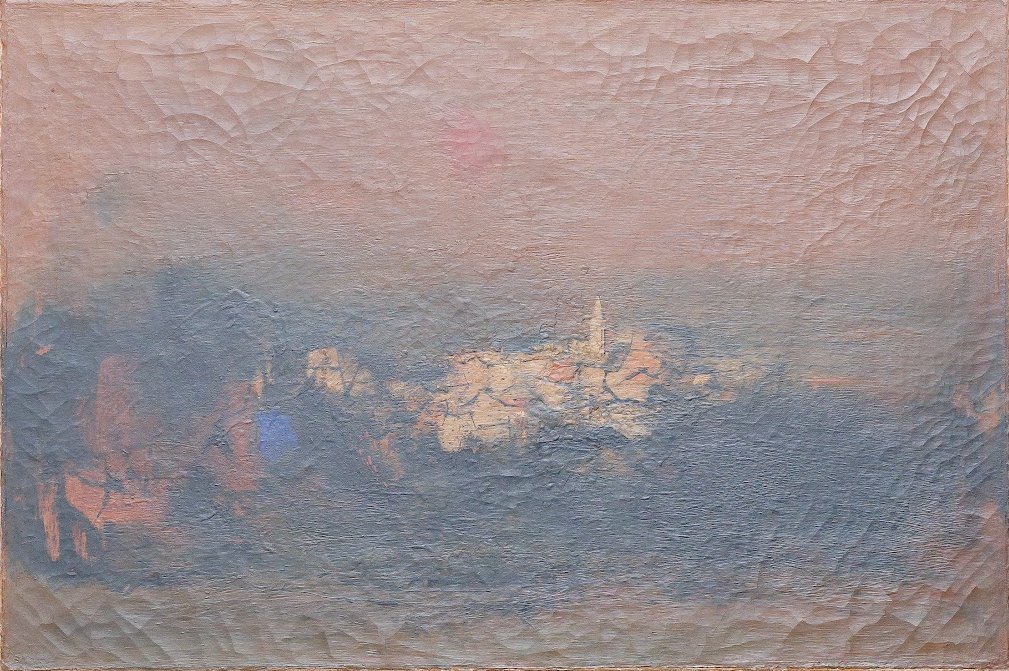
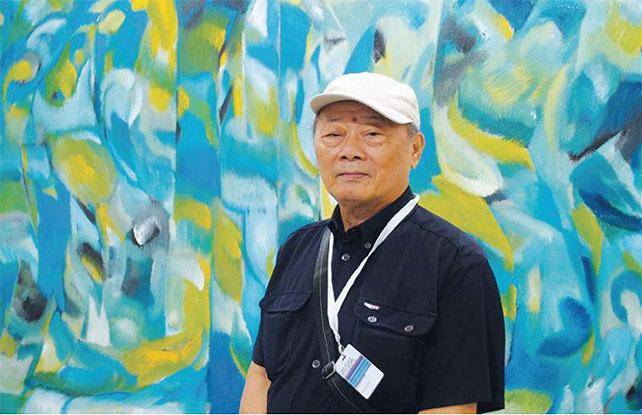
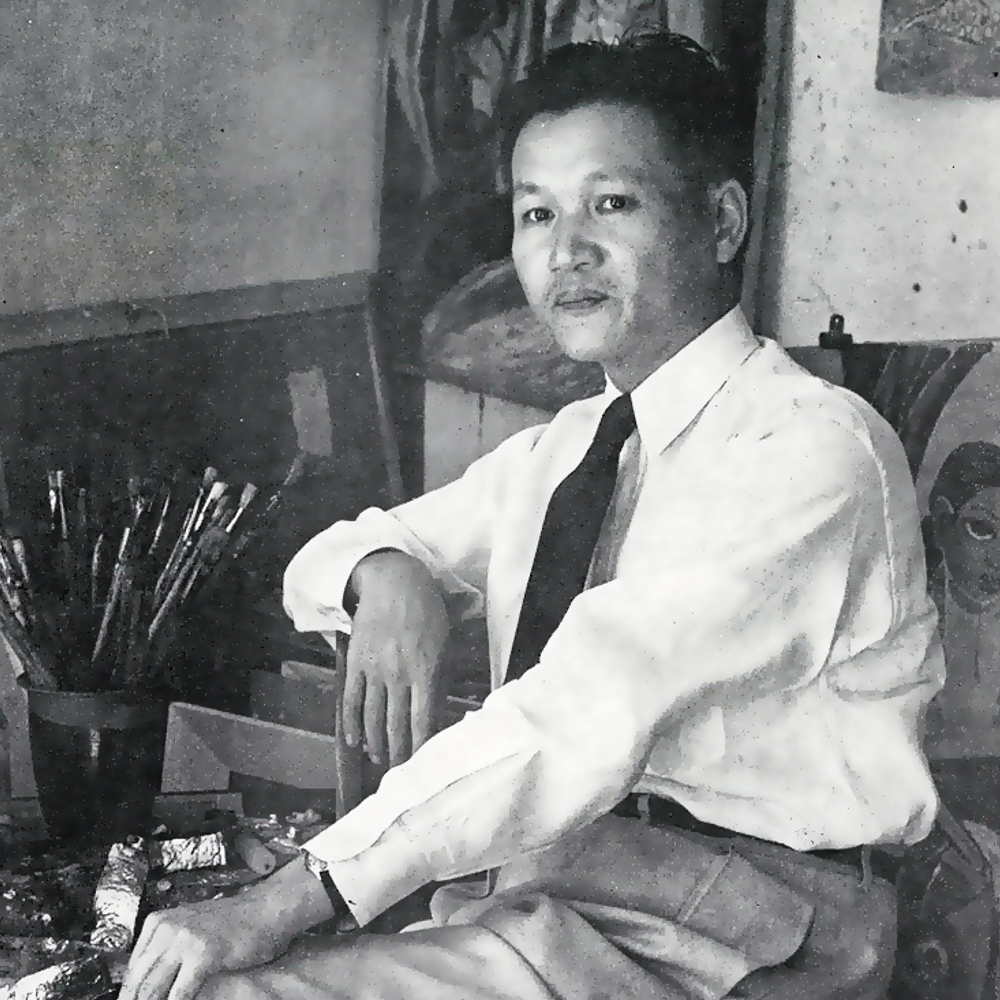
Yeo Hoe Koon
[b. 1935]
Born in 1935 in Hainan, China, and later settling in Singapore, Yeo Hoe Koon is widely recognised as one of Singapore’s pioneering second generation artists. After graduating from the Nanyang Academy of Fine Arts (NAFA), Yeo furthered his studies at the renowned École Nationale Supérieure des Beaux-Arts in Paris, where he immersed himself in the world of European modernism.
This journey between cultures has shaped Yeo’s unique artistic voice. His works reflect a refined blend of Eastern and Western influences, expressed with sensitivity, confidence, and a deep understanding of both traditions. Over the years, his work has been featured in major exhibitions both in Singapore and internationally, and he is respected as a master whose contributions have played an important role in shaping Singapore’s modern art landscape.
Gouache on Paper, 56 x 76 cm
Price Range: $9,000 - $12,000
Oil on Canvas, 120 x 163 cm
Price Range: $26,000 - $32,000
Oil on Canvas, 153 x 209 cm
Price Range: $46,000 - $56,000
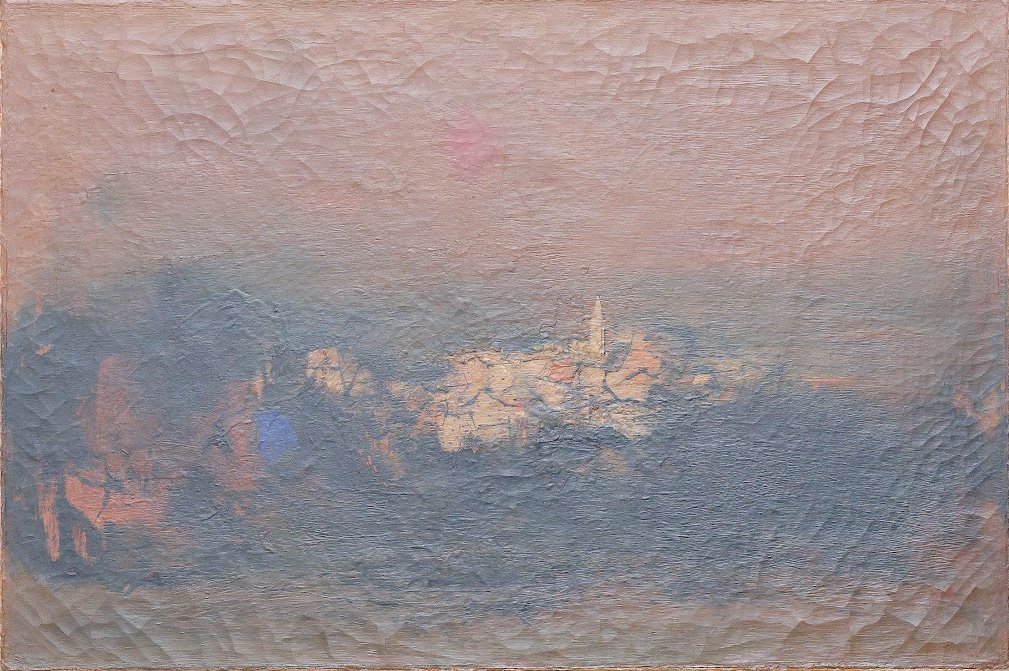
Oil on Canvas, 53.5 x 73 cm
Price Range: $12,000 - $14,000
Oil on Canvas, 73.5 x 54 cm
Price Range: $12,000 - $16,000
Oil on Canvas, 64 x 89.5 cm
Price Range: $16,000 - $20,000
Oil on Canvas, 101 x 123 cm
Price Range: $26,000 - $32,000
Oil on Canvas, 100 x 100 cm
Price Range: $26,000 - $32,000
Oil on Canvas, 53.5 x 73 cm
Price Range: $12,000 - $14,000
Oil on Canvas, 107 x 84.5 cm
Price Range: $33,000 - $42,000
Oil on Canvas, 153 x 211.5 cm
Price Range: $48,000 - $58,000
Oil on Canvas, 122 x 112 cm
Price Range: $18,000 - $23,000
Oil on Canvas, 162 x 123 cm
Price Range: $23,000 - $32,000
Gouache and Ink on Paper, 35 x 96 cm
Price Range: $9,000 - $12,000
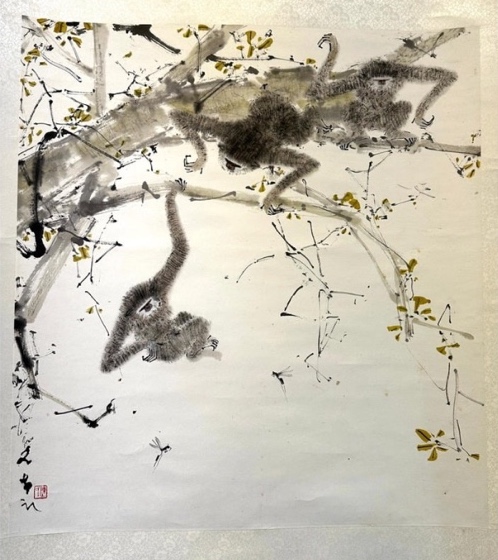
Chinese Ink and Colour on Paper, 77.5 x 49 cm
Price Range: $9,800 - $12,800
Oil on Canvas, 75.5 x 105 cm
Price Range: $16,000 - $20,000
Gouache on Paper, 74 x 53.5 cm
Price Range: $9,000 - $12,000
Gouache on Paper, 119 x 161 cm
Price Range: $9,000 - $12,000
Acrylic on Canvas, 106 x 84.5 cm
Price Range: $18,000 - $26,000
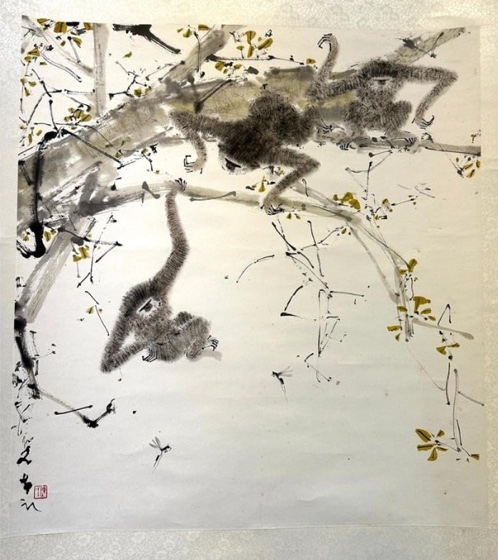
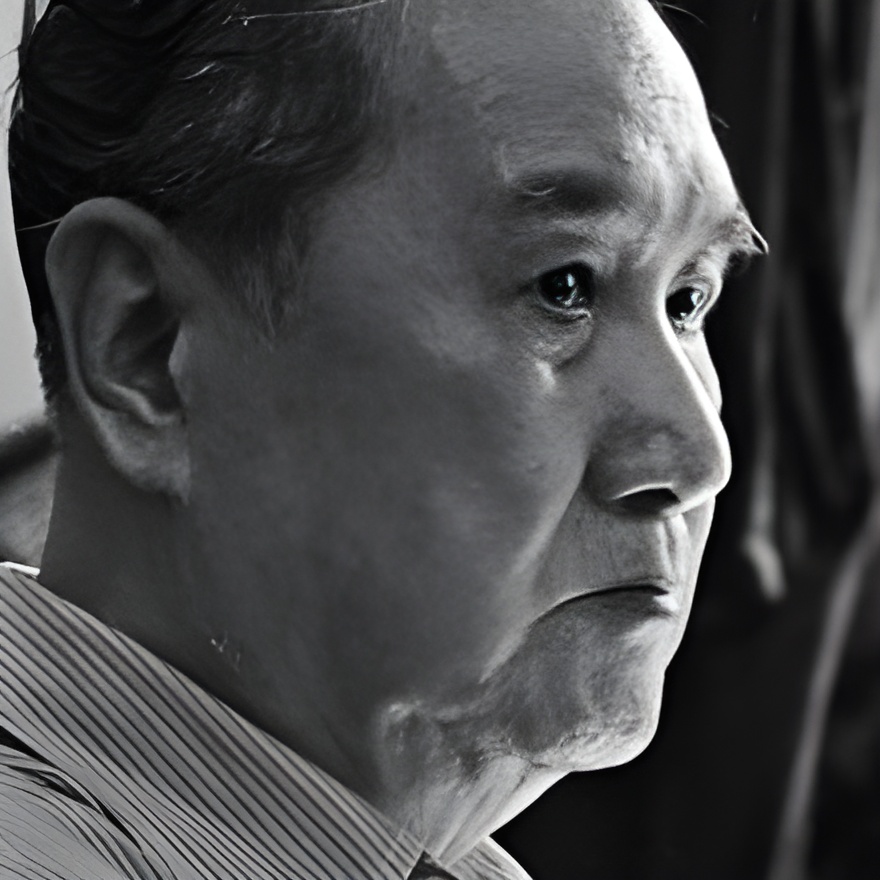
Chen Wen Hsi was a Chinese-born Singaporean painter known for his use of representational imagery as a catalyst for creating abstract shapes and colors.
Influenced by traditional Chinese paintings, the early Cubist works Pablo Picasso, and Paul Klee, Chen created his own vocabulary of forms and colors based in the observation of nature, animals, and man-made structures. Born on September 9, 1906 in Guangdong, China, he studied at the Xinhua Academy of Fine Arts in Shanghai before moving to Singapore in 1948 during the Chinese Civil War. The artist died on December 17, 1991 in Singapore.
Today, his works are in the collection of the Singapore Art Museum.
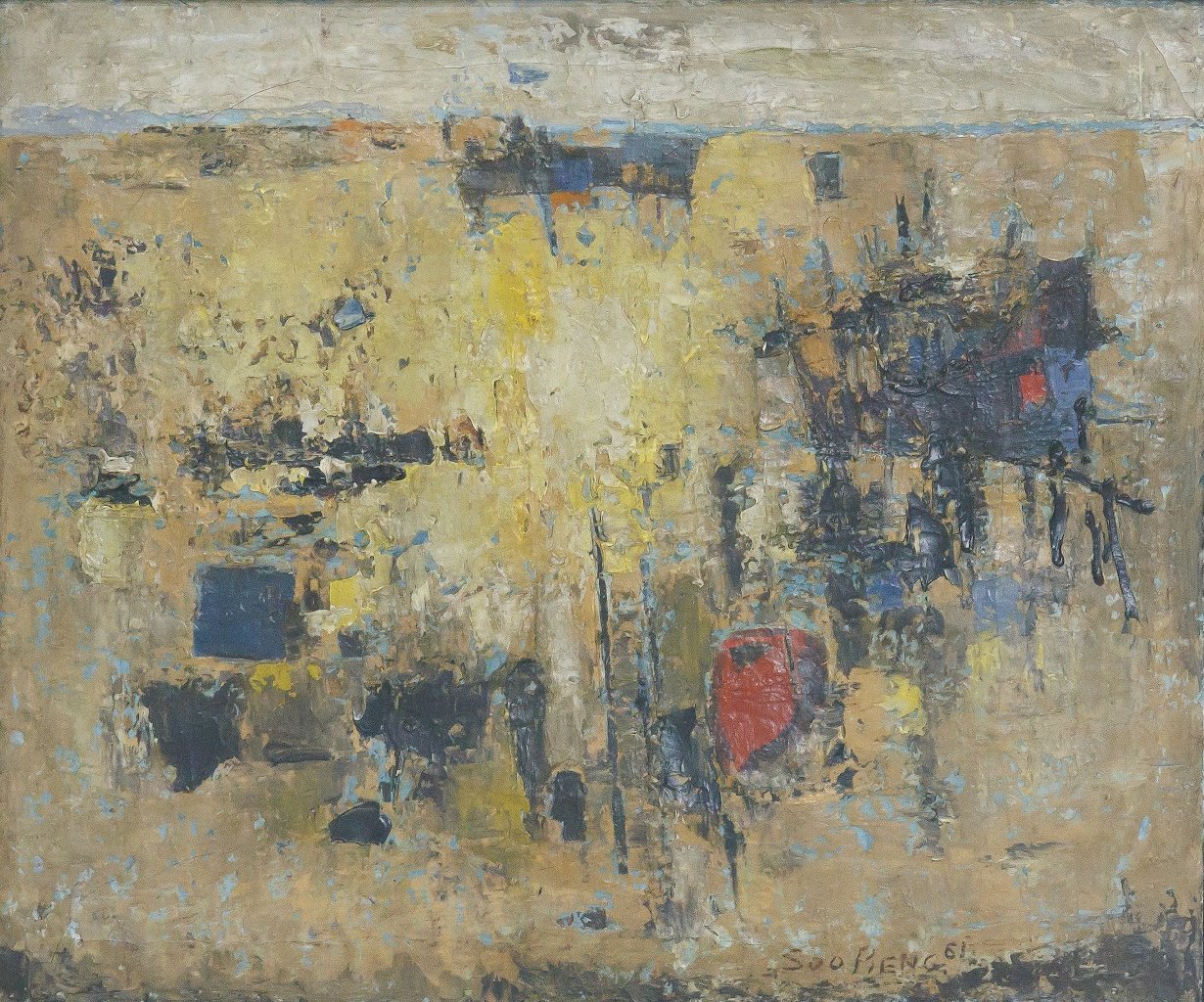
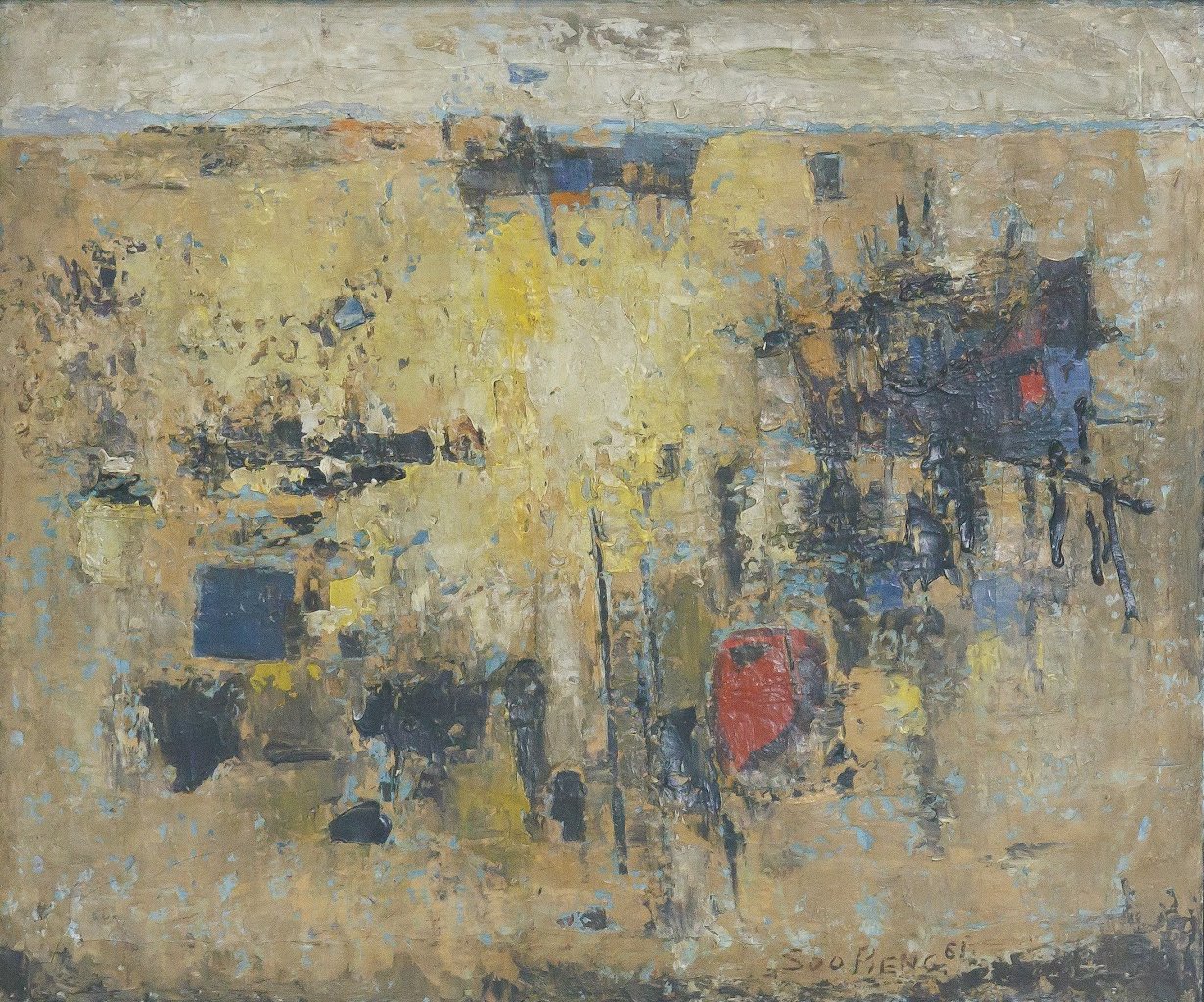
Cheong Soo Pieng (1917-1983), a Chinese diaspora artist from Fujian, is one of Southeast Asia’s most well-known artists. He was a never-say-die artist who was continuously experimenting with new artistic compositions and materials, resulting in both inventive abstract patterns and compassionate representations of Balinese figures. Along with artists like Chen Wen Hsi, Liu Kang, and Georgette Chen, he was a pioneer of the Nanyang Style.
Cheong Soo Pieng (1917-1983), a Chinese diaspora artist from Fujian, is one of Southeast Asia’s most well-known artists. He was a never-say-die artist who was continuously experimenting with new artistic compositions and materials, resulting in both inventive abstract patterns and compassionate representations of Balinese figures. Along with artists like Chen Wen Hsi, Liu Kang, and Georgette Chen, he was a pioneer of the Nanyang Style.
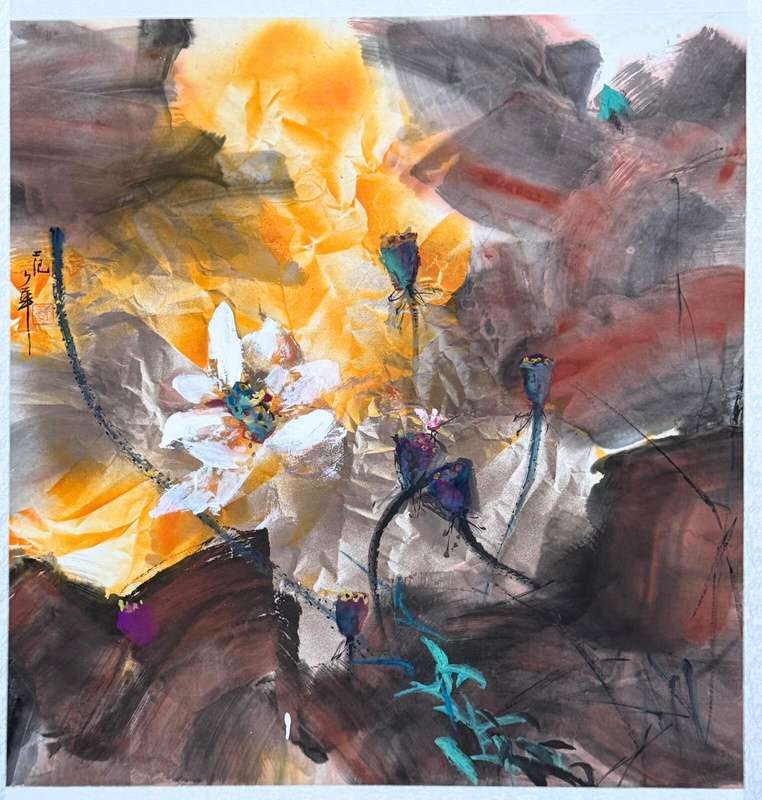
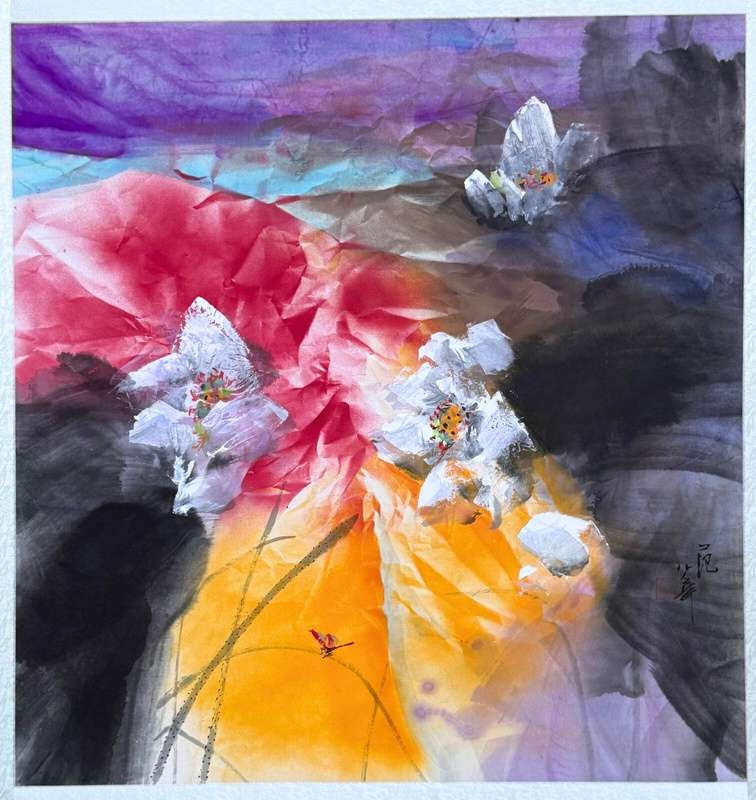
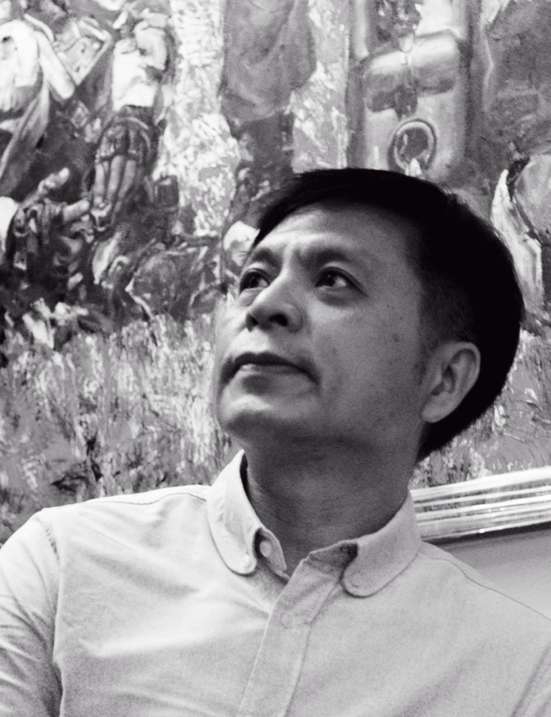
Born in Guangzhou, China in 1963, Fan Shaohua began studying Chinese ink at the age of ten before expanding into Western art at the Fine Arts Training Centre for Children. He graduated with a Bachelor of Fine Arts from the Guangzhou Academy of Fine Arts in 1985 and later lectured at various Chinese universities while developing his practice.
Migrating to Singapore in 1992, Fan launched his first solo exhibition and has since held over 20 across Singapore, China, Japan, and South Korea. Mastering Chinese ink, oil, and watercolour, his works have earned international acclaim, including the UOB Painting of the Year Award (2000) and the International Premium Oil Painting Award (2008).
Gouache on Paper, 56 x 76 cm
Price Range: $9,000 - $12,000
Oil on Canvas, 120 x 163 cm
Price Range: $26,000 - $32,000
Oil on Canvas, 153 x 209 cm
Price Range: $46,000 - $56,000
Oil on Canvas, 53.5 x 73 cm
Price Range: $12,000 - $14,000
Oil on Canvas, 73.5 x 54 cm
Price Range: $12,000 - $16,000
Oil on Canvas, 64 x 89.5 cm
Price Range: $16,000 - $20,000
Oil on Canvas, 101 x 123 cm
Price Range: $26,000 - $32,000
Oil on Canvas, 100 x 100 cm
Price Range: $26,000 - $32,000
Oil on Canvas, 53.5 x 73 cm
Price Range: $12,000 - $14,000
The Visual Arts Centre boasts a diverse and compelling Artist Collection, a curated selection of works that showcase the talents of both established and emerging artists. This collection serves as a dynamic representation of contemporary artistic practices, encompassing a wide range of mediums from painting and sculpture to photography and mixed media. Carefully chosen pieces reflect not only technical skill and aesthetic appeal, but also thought-provoking concepts and relevant social commentary, offering visitors a rich and engaging experience that stimulates both the eye and the mind. The Artist Collection constantly evolves, incorporating new acquisitions and temporary exhibitions, ensuring a fresh and relevant perspective on the ever-changing landscape of visual arts.
The Visual Arts Centre proudly presents its latest exhibition, “Artist Collection,” a vibrant showcase of contemporary talents that reflect the diverse spectrum of human experience. Curated with care, this collection brings together works from emerging and established artists, each piece resonating with emotion and creativity. Visitors can explore a variety of mediums, from striking paintings and intricate sculptures to immersive installations that challenge perceptions and inspire dialogue.
As you wander through the gallery, you will encounter thought-provoking themes that address social issues, personal stories, and the beauty of nature. Each artwork invites you to pause, reflect, and engage with the narratives woven into the fabric of our society. The Visual Arts Centre aims to foster a deeper appreciation for the visual arts, encouraging connections between artists and the community.
Click and get to our WhatsApp
Foundation In Digital Art
Embark on a captivating journey into the vibrant world of digital art! Our Foundation in Digital Art workshop invites budding creatives aged nine and above to unleash their imagination and hone their artistic skills in a dynamic, supportive environment. From mastering basic digital tools to crafting mesmerizing digital masterpieces, children will explore a spectrum of techniques guided by seasoned mentors. Through hands-on activities and interactive sessions, participants will discover the endless possibilities of digital expression while fostering creativity and critical thinking. Join us for an exhilarating adventure where young artists transform ideas into stunning visual realities, igniting a passion for digital art
Colour & Texture Exploration With Acrylic Painting & Collage
Prepare to unleash your inner artist in a kaleidoscope of color and creativity with ‘Colour Blast: Acrylic Painting & Collage Techniques’! Dive into a whirlwind adventure where vibrant hues and mesmerizing textures collide in a symphony of imagination. From mastering the art of seamless color blending to discovering the magic of mixed media collage, this journey is a playground for your artistic soul. With each brushstroke, explore new techniques that breathe life into your canvas, transforming it into a vibrant tapestry of expression. Join us and let your creativity run wild as you embark on this colorful escapade!”
World of Manga [Foundation & Styling]
A manga art workshop for children and teenagers sounds like a fantastic idea! Here’s how you might structure it:
Introduction to Manga: Begin by introducing what manga is, its history, and its influence on popular culture worldwide. Show examples of different manga styles and genres to give participants an overview.
Basic Drawing Techniques: Start with the fundamentals of drawing, such as line work, shapes, and proportions. Provide step-by-step instructions on how to draw basic manga characters, focusing on simple shapes that can be built upon.
Character Design: Move on to character design concepts, including creating unique characters, designing their personalities, and developing backstories. Encourage participants to get creative and think outside the box.
Expression and Emotion: Teach how to convey emotions and expressions through facial expressions, body language, and positioning of characters. This can be a fun and interactive exercise where participants practice drawing various emotions.
Storytelling and Paneling: Explore the basics of storytelling in manga, including paneling techniques, pacing, and layout. Show examples of different panel structures and discuss how they affect the flow of the story.
Inking and Coloring: Introduce participants to inking techniques using pens or markers. You can also cover digital inking for those interested. Then, demonstrate basic coloring techniques using markers, colored pencils, or digital software.
Feedback and Collaboration: Provide opportunities for participants to share their work and receive feedback from their peers and instructors. Encourage collaboration by having them work together on short manga projects or collaborative drawings.
Final Showcase: End the workshop with a showcase of participants’ work. This could be in the form of an exhibition, digital gallery, or printed booklet. Celebrate everyone’s creativity and progress throughout the workshop.
Remember to create a supportive and encouraging environment where participants feel free to express themselves and explore their creativity. And don’t forget to have fun! Manga is all about imagination and passion, so let that spirit shine through in your workshop.
Academy Drawing Traditions
The academy drawing and sketching tradition, rooted in centuries of artistic practice, emphasizes disciplined study of form, proportion, and technique. Originating from Renaissance workshops and formalized by institutions like the Royal Academy, it prioritizes meticulous observation and mastery of fundamental skills. Students progress from basic exercises to complex compositions, learning to depict still life and common objects with precision and expression. This tradition values both classical principles and innovation, encouraging artists to push boundaries while maintaining a deep respect for tradition. Through rigorous training and critique, artists within this tradition cultivate a strong foundation for creative exploration and artistic excellence.
Chinese Ink Painting and Calligraphy
This course on Chinese ink painting and calligraphy introduces young learners to the rich traditions of Chinese art. Through hands-on activities, students explore the basics of brush techniques, ink control, and the delicate art of Chinese script. They learn to appreciate the cultural significance of calligraphy and painting, developing skills in creating elegant strokes and expressive brushwork. The course fosters creativity, patience, and fine motor skills, while also providing insights into Chinese history and aesthetics. By the end, children gain confidence in their artistic abilities and a deeper understanding of Chinese cultural heritage.
Funk with Graffiti
Funk With Graffiti Workshop for children is an engaging and creative program aimed at introducing young artists to the vibrant world of graffiti and funk-inspired street style art. Participants learn the basics of graffiti history, techniques, and safety. Guided by professional graffiti artists, children explore the art of designing their unique tags, emphasizing creativity, expression, and individuality. The workshop includes hands-on activities, from sketching concepts to creating final designs with spray paint on provided surfaces. By the end of the session, children gain confidence in their artistic abilities and an appreciation for graffiti and funk as legitimate forms of street art. Each child completes two original artworks, which they proudly take home, showcasing their newfound skills and personal style.
Batik Tales
In the Batik Introduction Handkerchief Painting workshop, participants will learn the traditional art of batik, a wax-resist dyeing technique originating from Indonesia. The workshop begins with a brief history and overview of batik, highlighting its cultural significance and various techniques. Participants will then observe a demonstration of applying wax with tjanting tools and dyeing the fabric. Following the demonstration, each participant will design and create their own batik handkerchief, applying wax to create patterns and then dyeing their fabric. The workshop concludes with a group discussion, allowing participants to share their creations and reflect on their learning experience.